





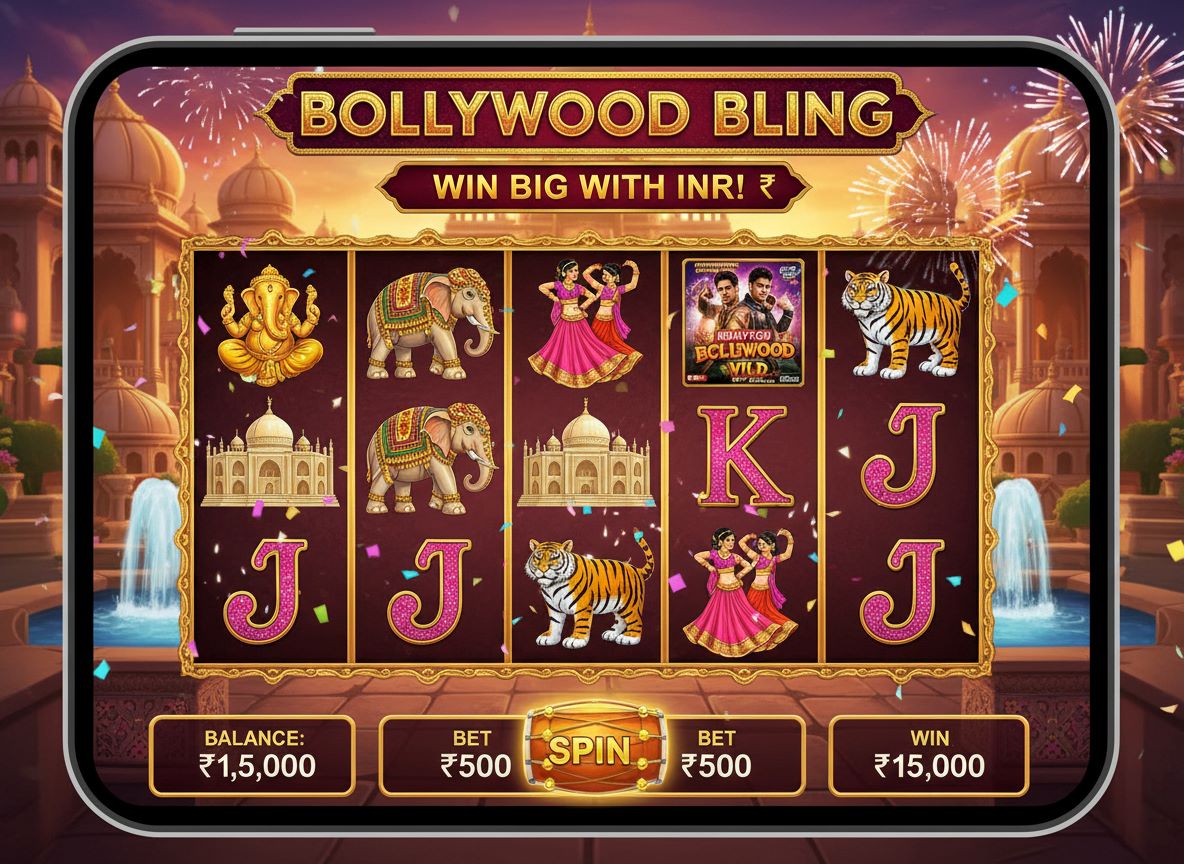
The Indian online casino market has experienced unprecedented growth over the past few years, driven primarily by localisation needs that address unique player preferences. Key factors like native INR currency support, seamless UPI payment integration, and mobile-first optimisation have transformed how operators approach this lucrative market. Indian players increasingly demand culturally relevant gaming experiences, pushing casino operators to carefully select game providers who understand these specific requirements.
This article provides operators, affiliates, and informed players with a comprehensive framework for evaluating casino game providers specifically for Indian users. Rather than offering a simple list of providers, we present a structured, criteria-based approach that considers regulation, localisation, technical performance, and commercial viability within the Indian context.
Understanding the Indian Online Casino Landscape
The Indian online casino ecosystem operates primarily through offshore licensing arrangements, with providers adapting their offerings to meet the preferences of mobile-first players. Indian users demonstrate strong demand for traditional desi games alongside international casino favourites, creating unique challenges for game providers seeking market entry. This trend has shaped provider choices significantly, as operators prioritise partners who can deliver both cultural authenticity and technical excellence.
Understanding the distinction between platform providers and game providers becomes crucial when targeting Indian markets. Platform providers offer complete casino infrastructure including payment processing and regulatory tools, while game providers focus specifically on content creation and delivery. Indian-specific needs require careful coordination between both types of providers to ensure seamless player experiences.
The regulatory landscape remains complex, with different states maintaining varying approaches to online gambling. This uncertainty has led many operators to prioritise providers with robust compliance frameworks and flexible technical architectures that can adapt to potential regulatory changes.
Key Characteristics of Indian Casino Players
Indian casino players exhibit distinct preferences that directly impact provider selection decisions. Understanding these characteristics helps operators choose game providers who can deliver relevant, engaging experiences.
- Local game preference: Strong demand for Teen Patti, Andar Bahar, and other traditional card games in both RNG and live dealer formats
- Currency and payment needs: Requirement for native INR support and integration with popular local payment methods like UPI and digital wallets
- Language localisation: Preference for Hindi and regional language support in game interfaces and customer service
- Mobile-first gaming: Over 80% of Indian players access casino games through mobile devices, requiring optimised performance on various smartphone specifications
- Bonus sensitivity: High responsiveness to promotional offers and loyalty programs, influencing game selection and retention strategies
Types of Casino Game Providers Relevant to India
The Indian market requires a diverse mix of provider types to address varying player preferences and technical requirements. Slot studios form the backbone of most casino offerings, providing popular international titles and increasingly, India-themed content with Bollywood influences and cultural references.
Live casino operators represent another crucial category, offering real-time gaming experiences with Hindi-speaking dealers and culturally appropriate presentation styles. These providers typically require significant technical infrastructure to ensure stable streaming quality across India’s varied internet connectivity conditions.
Niche Indian-focused game providers have emerged as essential partners for operators targeting local preferences. These specialists develop authentic versions of traditional games like Teen Patti and Andar Bahar, often incorporating social features and tournament formats that resonate with Indian gaming culture.
Core Criteria for Selecting Casino Game Providers for Indian Users
Selecting the right casino game providers for Indian users requires a systematic evaluation approach that balances multiple critical factors. The following framework provides operators with actionable steps to assess potential provider partnerships effectively.
Each criterion carries different weight depending on your target audience and business model, but all elements must be considered to ensure long-term success in the competitive Indian market. This structured approach helps avoid common pitfalls and ensures comprehensive evaluation.
- Regulatory compliance assessment: Evaluate provider licensing, RNG certification, and data protection capabilities to ensure alignment with offshore licensing requirements
- Game portfolio fit analysis: Review content relevance including local games, cultural themes, and popular international titles that resonate with Indian players
- Localisation capabilities: Assess language support, cultural adaptation, and regional payment method integration to ensure authentic player experiences
- Technical integration requirements: Evaluate mobile optimisation, API compatibility, and performance metrics suitable for Indian internet infrastructure
- Commercial terms evaluation: Analyse revenue sharing models, RTP configurations, and contract flexibility to ensure sustainable business relationships
- Support and maintenance standards: Review technical support availability, update frequency, and responsiveness to market-specific requirements
- Risk management framework: Assess provider stability, financial backing, and contingency plans to ensure long-term partnership viability
Prioritising Player Safety, Fairness, and Trust
Player safety and fairness form the foundation of successful casino operations in India, where trust remains a primary concern for online gaming adoption. Providers must demonstrate comprehensive licensing from reputable jurisdictions such as Malta Gaming Authority, Curacao eGaming, or Isle of Man, ensuring adherence to international standards for player protection and fair gaming practices.
RNG certification from accredited testing laboratories like eCOGRA, iTech Labs, or Gaming Labs International provides essential credibility for game fairness. Indian players increasingly demand transparency in RTP (Return to Player) rates, requiring providers to offer clear disclosure of game mathematics and payout percentages across their portfolio.
Advanced security features become particularly important given India’s developing online gaming regulations. Providers should offer robust anti-fraud systems, secure data encryption protocols, and comprehensive audit trails that support operator compliance efforts. These technical safeguards help build player confidence and protect against potential regulatory challenges.
Trust-building features such as responsible gambling tools, session management options, and transparent game histories help providers demonstrate commitment to player welfare. These elements prove especially valuable in the Indian market, where establishing credibility with new online gaming audiences remains an ongoing challenge.
Game Portfolio and Localisation for the Indian Market
Creating the optimal game portfolio for Indian users requires balancing international appeal with local preferences, ensuring broad player engagement while maintaining cultural relevance. The most successful operators combine popular global game categories with India-specific content, creating diverse offerings that satisfy both traditional and modern gaming preferences.
Effective localisation extends beyond simple language translation to encompass cultural themes, visual design elements, and gameplay mechanics that resonate with Indian audiences. Providers who understand festivals like Diwali, regional preferences, and social gaming culture deliver significantly higher player engagement and retention rates.
| Game Category | Importance for Indian Users | Examples | Provider Types to Target |
|---|---|---|---|
| Traditional Card Games | Essential for cultural authenticity | Teen Patti, Andar Bahar, Rummy | Indian specialists, live casino operators |
| Live Casino Games | High engagement and social appeal | Hindi Blackjack, Live Baccarat | Established live casino studios |
| Themed Slot Games | Familiar cultural references | Bollywood themes, mythology slots | Major slot studios with localisation |
| Progressive Jackpots | Strong appeal for big win potential | Mega Moolah, local network jackpots | International providers with INR pools |
| Cricket-Themed Games | Leverages national sport passion | Cricket-themed slots, virtual cricket | Sports gaming specialists |
| Classic Table Games | International appeal for experienced players | Blackjack, Roulette, Baccarat | Established table game providers |
Local Game Demand: Teen Patti, Andar Bahar and More
Teen Patti and Andar Bahar represent the cornerstone of Indian casino gaming, with these traditional card games driving significant player engagement and retention. These games appeal to Indian players due to their familiar rules, cultural significance, and social gaming elements that mirror offline card playing traditions.
Successful providers offer both RNG and live dealer versions of these games, allowing players to choose between quick automated rounds and immersive social experiences with real dealers. The most effective implementations incorporate tournament formats, side bets, and progressive jackpot elements that enhance traditional gameplay without compromising authenticity.
Beyond the core games, providers should consider variations and regional adaptations that reflect different Indian gaming traditions. Rummy variants, Jhandi Munda, and other regional favourites can provide additional differentiation and appeal to specific player segments across India’s diverse cultural landscape.
Language, Culture and UX Localisation
Effective localisation for Indian users encompasses multiple layers of cultural adaptation that extend far beyond basic language translation. The most successful implementations create authentic experiences that feel native to Indian gaming culture.
- Hindi-speaking live dealers: Employ dealers fluent in Hindi and familiar with Indian gaming culture for authentic live casino experiences
- Festival-themed promotions: Develop special events and bonuses around Diwali, Holi, and other major Indian festivals with appropriate visual and promotional themes
- Culturally appropriate colour schemes: Use colours and design elements that resonate with Indian aesthetic preferences and avoid culturally insensitive imagery
- Regional language support: Offer games and interfaces in major regional languages like Tamil, Bengali, and Telugu to reach broader audiences
- Cricket integration: Incorporate cricket themes and references that leverage India’s passionate cricket culture for enhanced player engagement
- Social gaming features: Include chat functions, leaderboards, and community elements that reflect Indian preferences for social gaming experiences
Technical and UX Considerations for Indian-Friendly Providers
Technical performance and user experience optimization become critical factors when targeting Indian casino players, who predominantly access games through mobile devices with varying specifications and network conditions. Providers must demonstrate capability to deliver consistent, high-quality gaming experiences across India’s diverse technological landscape.
Mobile optimisation requirements extend beyond responsive design to encompass data usage efficiency, compatibility with older Android devices, and seamless integration with popular Indian payment methods. The most successful providers design their games specifically for mobile-first markets, ensuring intuitive touch controls and optimised graphics that perform well on smaller screens.
INR-specific betting flows and currency handling require sophisticated technical implementation to provide natural user experiences. Players expect seamless transitions between games, consistent currency display, and integrated payment processing that supports popular local methods like UPI, Paytm, and various digital wallets.
Mobile Performance, Stability and Player Experience
Mobile performance optimization for Indian users requires specific attention to device compatibility, network efficiency, and user interface design that accommodates varied smartphone specifications. Providers must deliver consistent experiences across both premium and budget Android devices that dominate the Indian market.
Game loading times and data consumption become particularly important given India’s mobile-first gaming culture and varying data plan costs. The most effective providers optimize their games to load quickly on 4G networks while minimising ongoing data usage through efficient streaming and caching technologies.
Stability and crash prevention take on heightened importance in markets where players may have limited technical support options. Providers should demonstrate robust error handling, graceful degradation under poor network conditions, and reliable session management that protects player progress and funds.
| Technical Factor | Why It Matters in India | What to Ask Providers |
|---|---|---|
| Game Load Time | 4G speeds vary significantly across regions | Average load time on 4G networks under 5 seconds? |
| Device Compatibility | Wide range of Android versions and specs | Minimum Android version supported and RAM requirements? |
| Data Usage | Cost-conscious players monitor data consumption | Data usage per hour of gameplay and compression options? |
| Crash Rate | Poor experience impacts trust and retention | Crash rate statistics and recovery mechanisms? |
| Network Resilience | Intermittent connectivity common in many areas | Offline mode capabilities and reconnection handling? |
Regulatory, Licensing and Compliance Alignment
Regulatory compliance for Indian-focused casino operations requires careful navigation of complex legal frameworks and proactive risk management strategies. Providers must demonstrate robust licensing credentials from reputable jurisdictions while maintaining flexibility to adapt to potential future regulatory changes in India.
Data protection and privacy considerations take on particular importance given India’s evolving digital privacy regulations and increasing government focus on data sovereignty. Providers should offer comprehensive data handling frameworks that exceed current requirements while preparing for potential future compliance obligations.
- International licensing credentials: Malta Gaming Authority, Curacao eGaming, or UK Gambling Commission licenses providing regulatory legitimacy
- RNG certification and testing: Regular audits from accredited laboratories ensuring game fairness and mathematical integrity
- Data protection compliance: GDPR-level data handling capabilities with India-specific adaptations for evolving privacy regulations
- Anti-money laundering tools: Sophisticated AML monitoring and reporting capabilities for operator compliance requirements
- Responsible gambling features: Comprehensive player protection tools including deposit limits, time restrictions, and self-exclusion options
- Audit trail capabilities: Detailed logging and reporting systems supporting operator compliance and potential regulatory inquiries
- Flexible compliance framework: Adaptable systems that can accommodate future regulatory changes in Indian states or federal legislation
Understanding Provider Licensing and Certifications
Provider licensing verification forms the foundation of any successful casino operation targeting Indian users, with operators requiring partners who maintain current, legitimate gambling licenses from respected jurisdictions. The most common and accepted licenses include Malta Gaming Authority for European credibility, Curacao eGaming for cost-effective legitimacy, and Isle of Man for premium positioning.
eCOGRA certification provides additional credibility for game fairness and operator integrity, while iTech Labs and Gaming Labs International offer technical certification for RNG systems and game mathematics. These certifications become particularly valuable when marketing to Indian players who may be unfamiliar with international gambling regulations.
Regular audit requirements and renewal processes should be transparent and current, with providers able to demonstrate ongoing compliance rather than simply historical certification. This ongoing verification becomes crucial for maintaining operator confidence and player trust in dynamic regulatory environments.
Responsible Gambling and Player Protection Tools
Responsible gambling tools represent both a regulatory requirement and a competitive advantage in the Indian market, where building player trust remains essential for long-term success. Providers must offer comprehensive player protection features that can be customised to operator requirements and local market conditions.
Essential features include deposit limits, session time controls, loss limits, and cooling-off periods that help players maintain control over their gambling activities. Advanced providers offer reality check reminders, spending analytics, and proactive intervention tools that identify potentially problematic gambling patterns.
Self-exclusion capabilities should be robust and include options for temporary and permanent exclusion, with secure verification processes that prevent easy circumvention. Integration with third-party exclusion databases and support for multiple exclusion periods provides operators with flexibility to meet various player needs and regulatory requirements.
Payments, Currency and Commercial Terms for India-Focused Deals
Payment processing and currency handling represent critical success factors for Indian casino operations, requiring providers who understand local payment preferences and technical integration requirements. INR native support becomes essential for natural user experiences, while UPI integration provides access to India’s rapidly growing digital payment ecosystem.
Commercial terms evaluation must balance revenue generation with player acquisition and retention goals specific to the Indian market. Providers offering flexible RTP configurations, competitive revenue sharing models, and India-specific bonus structures provide operators with enhanced tools for market penetration and player retention.
| Criterion | India-Specific Requirement | Provider Evaluation Question |
|---|---|---|
| Currency Support | Native INR handling without conversion fees | Do you offer native INR games and reporting? |
| Payment Methods | UPI, Paytm, and digital wallet integration | Which Indian payment methods do you support? |
| Betting Limits | Flexible limits matching Indian player budgets | Can minimum bets be set below ₹10 for volume players? |
| Revenue Share | Competitive rates for emerging market volumes | Do you offer volume-based tier structures? |
| RTP Flexibility | Configurable RTPs for competitive positioning | Can RTP be configured per game and market? |
| Bonus Integration | Support for frequent promotional campaigns | How do you handle bonus bet restrictions and wagering? |
| Reporting Currency | INR reporting for simplified accounting | Do reports show INR values without conversion? |
Evaluating Revenue Share, RTP and Risk
Revenue share negotiations for Indian markets require careful consideration of player volume patterns, average bet sizes, and competitive dynamics specific to the region. Successful partnerships often feature tiered structures that reward volume growth while maintaining reasonable margins for both parties.
- Benchmark RTP rates against local competition: Research competitive RTP offerings in your target markets and negotiate flexibility to match or exceed these rates when needed
- Structure volume-based incentives: Negotiate tiered revenue sharing that improves with player volume, encouraging provider support for marketing and player acquisition efforts
- Include RTP configuration rights: Ensure contracts allow RTP adjustments within certified ranges to respond to competitive pressures and promotional campaigns
- Establish minimum performance guarantees: Define clear metrics for game performance and provider support, with remedies for underperformance
- Plan for currency fluctuation protection: Include provisions for INR volatility that protect both parties from extreme exchange rate movements
- Build in market-specific promotional support: Negotiate provider contributions to India-focused marketing campaigns and special event promotions
Shortlist of Provider Types and Example Brands for Indian Users
Creating an effective provider shortlist requires balancing proven international brands with specialists who understand Indian gaming culture and technical requirements. The most successful casino operations typically combine tier-1 global providers for broad appeal with niche specialists who deliver authentic local gaming experiences.
Provider evaluation should consider both immediate capability and long-term strategic value, including their commitment to Indian market development, technical roadmap alignment, and willingness to invest in localisation efforts. The following analysis provides representative examples across key provider categories while highlighting their specific strengths and potential limitations for Indian operations.
| Provider Category | Example Brands | Strengths for India | Potential Gaps |
|---|---|---|---|
| Global Slot Studios | NetEnt, Pragmatic Play, Play’n GO | Proven games, mobile optimization, progressive jackpots | Limited Indian themes, no local games |
| Live Casino Specialists | Evolution Gaming, Ezugi, Authentic Gaming | High-quality streaming, Hindi dealers, local game variants | Higher operating costs, bandwidth requirements |
| Indian Game Specialists | Octro, Games24x7, Paytm First Games | Authentic local games, cultural understanding, UPI integration | Limited international content, smaller game portfolios |
| Table Game Providers | Playtech, Microgaming, Real Time Gaming | Comprehensive game suites, proven reliability, bonus features | Moderate localisation, traditional interfaces |
| Emerging Studios | Red Tiger, Push Gaming, Quickspin | Innovation focus, mobile-first design, competitive terms | Smaller portfolios, less market presence |
| Aggregation Platforms | SoftGamings, EveryMatrix, GamMatrix | Multiple providers, single integration, diverse content | Less customisation, shared revenue model |
| Cricket Gaming | Dream11, My11Circle, BalleBaazi | Sports passion leverage, tournament integration, social features | Regulatory complexity, seasonal content |
Balancing Global Tier-1 Providers with Local Specialists
Successful casino operations in India typically employ a mixed provider strategy that combines internationally recognised brands with local specialists, creating comprehensive game portfolios that satisfy diverse player preferences. Global tier-1 providers bring proven game mechanics, advanced graphics, and substantial progressive jackpot networks that appeal to players seeking international casino experiences.
Local specialists contribute essential authenticity through traditional games like Teen Patti and Andar Bahar, cultural themes, and user experiences designed specifically for Indian preferences. These providers often excel at mobile optimisation for Indian device specifications and integration with local payment methods that global providers may not prioritise.
The optimal balance typically involves 60-70% international content for broad appeal and proven performance, combined with 30-40% localised content for cultural authenticity and market differentiation. This ratio can be adjusted based on target audience demographics and competitive positioning requirements.
Avoiding Common Mistakes in Provider Shortlisting
Provider selection mistakes can significantly impact casino performance and player satisfaction, making it essential to avoid common pitfalls that operators encounter when entering or expanding in Indian markets. The following represents the most frequent and impactful errors:
- Over-prioritising cost over quality: Choosing providers based solely on favorable revenue terms while ignoring game quality, technical reliability, and player appeal
- Underestimating localisation importance: Assuming international content will automatically appeal to Indian players without cultural adaptation and local game integration
- Ignoring mobile performance requirements: Selecting providers with excellent desktop performance but poor mobile optimisation for India’s mobile-first gaming audience
- Inadequate compliance verification: Failing to thoroughly verify licensing credentials and regulatory compliance capabilities before signing agreements
- Insufficient payment method support: Overlooking the importance of UPI, digital wallet, and INR native support for seamless player experiences
- Poor technical integration planning: Underestimating API complexity, integration timelines, and ongoing technical support requirements for provider relationships
Building and Optimising Your Long-Term Provider Mix for India
Creating a sustainable and profitable provider ecosystem for Indian casino operations requires systematic planning, continuous monitoring, and data-driven optimisation strategies. The most successful operators treat provider relationships as dynamic partnerships that evolve with market conditions, player preferences, and business objectives.
Long-term optimisation involves balancing multiple competing priorities including player acquisition, retention, revenue generation, and operational efficiency. This requires establishing clear performance metrics, regular review processes, and flexibility to adapt provider mix based on empirical data rather than assumptions about player preferences.
- Establish baseline performance metrics: Define clear KPIs for game performance, player engagement, and revenue contribution before launching new provider content
- Implement staged rollout processes: Test new providers with limited game selections and player segments before full integration to minimise risk and optimise performance
- Create regular review and assessment cycles: Schedule quarterly provider performance reviews covering technical reliability, player engagement, and commercial terms effectiveness
- Develop data-driven optimisation frameworks: Use player behaviour analytics, game performance metrics, and revenue data to make informed decisions about provider portfolio changes
- Build flexibility into provider contracts: Negotiate terms that allow for content adjustments, promotional support, and contract modifications based on performance and market changes
- Maintain competitive intelligence: Monitor competitor offerings and industry trends to ensure your provider mix remains competitive and relevant to Indian player preferences
- Plan for scalability and growth: Ensure provider relationships and technical infrastructure can support business growth without compromising performance or player experience
Testing, Analytics and Continuous Improvement
Systematic testing and analytics form the foundation of effective provider optimisation, enabling operators to make evidence-based decisions about game portfolio composition and provider performance. A/B testing methodologies allow for controlled comparison of different games, providers, and promotional strategies to identify the most effective approaches for Indian audiences.
Player behaviour analytics provide crucial insights into game preferences, session patterns, and retention drivers specific to Indian casino players. Key metrics include session duration, return visit frequency, game switching patterns, and deposit behaviour, which help identify which providers and games deliver the strongest player engagement and lifetime value.
Revenue analytics should encompass both gross gaming revenue and net revenue after considering operational costs, revenue sharing terms, and player acquisition costs. This comprehensive view enables more accurate assessment of provider value and supports informed decisions about contract renewals, portfolio expansion, or provider termination.
Continuous improvement processes should include regular player feedback collection through surveys, focus groups, and support channel analysis. Indian players often provide valuable insights about cultural relevance, technical issues, and feature requests that can guide provider development priorities and selection criteria for future partnerships.