





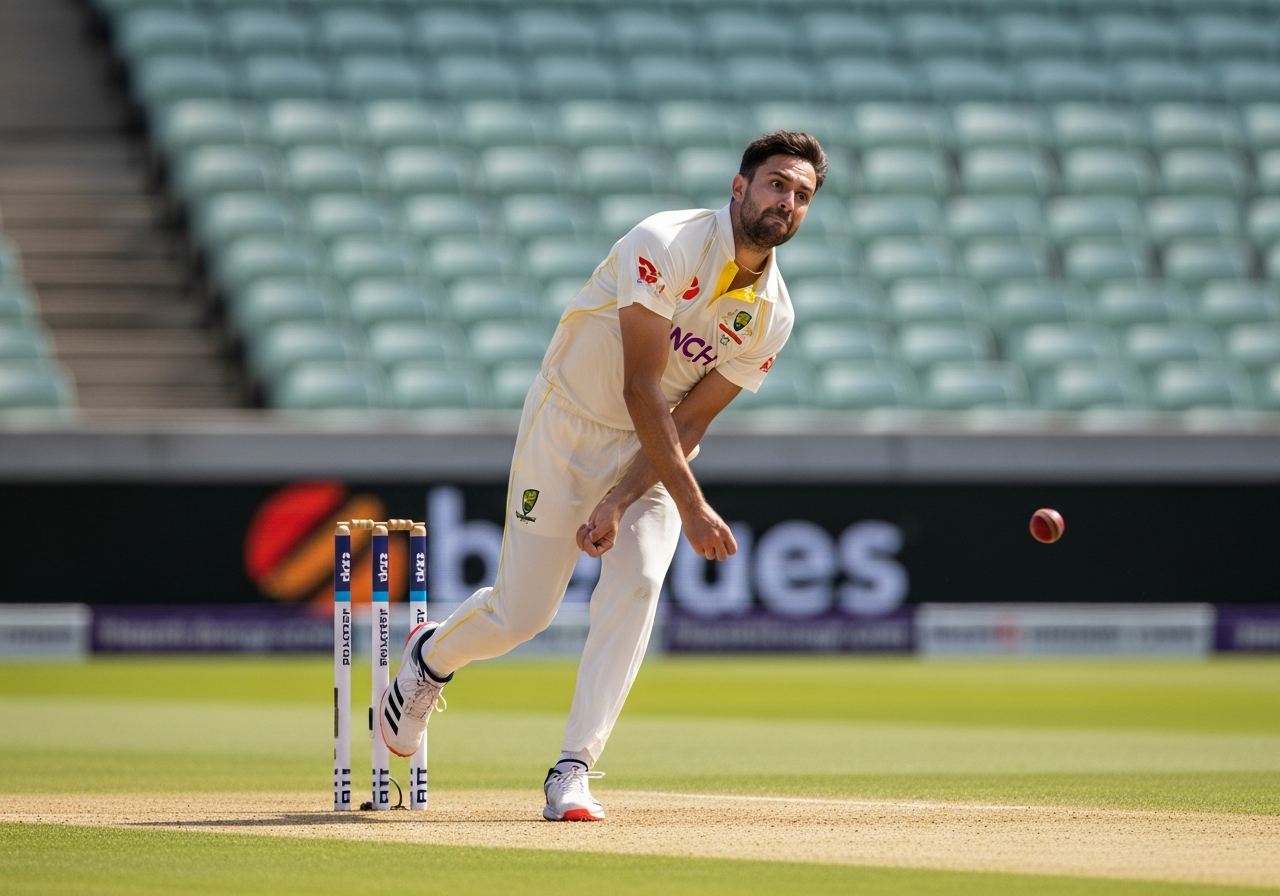
Top bowler betting in Test cricket involves wagering on which player will take the most wickets in a specific match or innings. When it comes to India’s Test matches, these markets offer exceptional opportunities for strategic bettors due to the country’s diverse bowling attack and unique playing conditions. The combination of world-class spinners, emerging pace talents, and dramatically varying pitch conditions between home and away venues creates significant volatility in bowling performances.
This comprehensive guide takes a data-driven approach to top bowler betting, drawing insights from ICC Test bowling rankings, detailed venue statistics, and performance analytics rather than offering simplistic match predictions. We’ll examine how India’s tactical approach to team selection, the impact of subcontinental pitches, and the rotation policies for pace bowlers create both opportunities and challenges for informed betting strategies.
How Top Bowler Betting Works in India Test Matches
Top bowler markets in Test cricket typically offer several distinct betting options when India is involved. The primary markets include top team bowler (which Indian bowler takes most wickets), match top bowler (across both teams), and innings-specific top bowler bets. Settlement rules are straightforward: the bowler with the most wickets wins, with dead-heat rules applying when multiple players tie for the highest wicket count.
India’s unique approach to Test cricket creates distinctive betting patterns compared to other international teams. The team’s heavy reliance on spin bowling at home venues contrasts sharply with their pace-focused strategies overseas, leading to significant variability in who emerges as the top wicket-taker. This tactical flexibility means that form players can quickly become secondary options based purely on pitch conditions and match situation.
The Indian team’s rotation policy for fast bowlers, particularly in overseas conditions, adds another layer of complexity to top bowler betting. Unlike teams that maintain consistent pace attacks, India frequently rotates between Mohammed Siraj, Jasprit Bumrah, and emerging talents based on workload management and specific match requirements. This selection volatility creates opportunities for astute bettors who can anticipate team changes and their impact on individual bowling workloads.
Understanding India’s bowling hierarchy requires recognizing that traditional rankings don’t always translate to wicket-taking opportunities. The team’s strategy often involves using certain bowlers as holding options while others are deployed as attacking threats, meaning that economy rate specialists like Ravindra Jadeja might bowl long spells without necessarily emerging as top wicket-taker, despite their overall effectiveness.
Key Rules and Settlement for Top Bowler Markets
- Most wickets taken determines the winner, with bowling figures counted across both innings for match markets and single innings for specific betting options.
- Dead-heat rules apply when multiple bowlers tie for most wickets, with stakes divided equally among tied participants regardless of bowling average or economy rate.
- No-play scenarios result in void bets if a selected bowler doesn’t bowl due to injury or tactical decisions, though this is rare in Test cricket given the extended nature of matches.
- Rain-affected matches maintain betting validity as long as official match results are declared, with reduced overs not affecting settlement provided the contest reaches a natural conclusion.
- Economy rate and bowling average serve as tiebreakers only in specific promotional markets, with standard top bowler bets focusing purely on wicket count regardless of how economically those wickets were taken.
- Substitute fielder dismissals (run-outs, catches) don’t count toward bowling figures, ensuring that top bowler bets remain focused on actual bowling performance rather than fielding contributions.
India‑Specific Nuances in Test Bowling Markets
India’s bowling selection philosophy creates unique betting dynamics that differ significantly from other Test nations. At home venues, the team typically deploys spin-heavy attacks with Ravindra Jadeja, Ravichandran Ashwin, and emerging talents like Kuldeep Yadav sharing the majority of overs. This approach often sees pace bowlers relegated to supporting roles, taking fewer wickets despite potentially better overall figures.
The pace bowling rotation system becomes particularly relevant for overseas tours, where India frequently manages workloads by alternating between their premier fast bowlers across different matches in a series. Jasprit Bumrah might be rested for workload management, elevating Mohammed Siraj or other pace options into primary striking roles. These tactical decisions can dramatically shift top bowler betting odds and create value opportunities for informed bettors.
Pitch reading becomes crucial when betting on Indian bowlers, as the team’s selection often telegraphs their expectations for surface behavior. When India includes three spinners in their XI, it typically indicates expectations of significant turn and deterioration, favoring spin bowling options over pace alternatives. Conversely, overseas selections featuring multiple pace bowlers suggest conditions favoring seam movement and bounce, shifting wicket-taking probabilities toward the faster bowling options.
Using ICC Test Bowling Rankings to Shortlist Indian Bowlers
ICC Test bowling rankings provide a useful starting point for evaluating Indian bowlers’ current form and historical performance trends. However, these rankings reflect recent performances across all conditions and opponents, requiring careful interpretation when applied to specific match contexts. The ratings system rewards consistency and wicket-taking ability but doesn’t account for role-specific contributions or tactical deployment patterns that significantly impact top bowler betting outcomes.
Current Indian bowling representatives in the ICC rankings span different specialties and deployment patterns. Jasprit Bumrah typically maintains high ratings due to his wicket-taking ability and low economy rate, while spinners like Ravindra Jadeja and Ravichandran Ashwin see their ratings fluctuate based on recent series against spin-friendly or pace-oriented opposition. Understanding these rating contexts helps bettors assess whether current form translates to specific upcoming match situations.
The relationship between ICC ratings and actual match impact becomes complex when considering India’s tactical approach to bowling workloads. A highly-rated bowler might be used primarily in a holding role during certain match phases, limiting their wicket-taking opportunities despite superior skill levels. Conversely, lower-rated bowlers deployed in attacking roles during favorable conditions might outperform their rankings suggest, creating betting value opportunities.
| Indian bowler | Current ICC Test bowling rating | Career best rating | Typical role (pace/spin, new ball/middle overs) | Ideal conditions |
|---|---|---|---|---|
| Jasprit Bumrah | 825 | 915 | Pace, new ball and death overs specialist | Bouncy tracks, overseas conditions with seam movement |
| Ravindra Jadeja | 758 | 899 | Left-arm spin, holding and attacking spells | Turning tracks, home conditions, rough outside off-stump |
| Mohammed Siraj | 742 | 809 | Pace, swing and reverse swing specialist | Seaming conditions, reverse swing-friendly surfaces |
| Ravichandran Ashwin | 698 | 904 | Off-spin, attacking middle-order specialist | Turning tracks, especially Day 3-5 deteriorating pitches |
| Kuldeep Yadav | 654 | 742 | Left-arm wrist spin, wicket-taking threat | Dusty surfaces, subcontinental conditions with variable bounce |
| Mohammed Shami | 635 | 853 | Pace, seam and swing with older ball | Green tracks, cloudy conditions favoring swing |
Interpreting Ratings vs Match‑Specific Context
ICC bowling rankings represent averaged performance across diverse conditions and opponents, making direct application to specific match scenarios potentially misleading. A spinner ranked lower than a pace bowler might still represent superior value for top bowler bets on turning pitches, while highly-ranked bowlers facing unfavorable conditions could struggle despite their statistical credentials. The key lies in adjusting these baseline ratings for match-specific factors like pitch characteristics, opposition batting lineups, and tactical deployment expectations.
Workload management considerations often override pure skill rankings when assessing top bowler betting value for Indian players. Jasprit Bumrah might be India’s highest-ranked pace bowler, but if he’s been managing a heavy workload in previous matches, team management might limit his overs or deploy him in shorter, more targeted spells. These tactical decisions can significantly impact wicket-taking opportunities regardless of underlying skill levels.
Venue-specific adjustments become crucial when translating ICC rankings into betting assessments. Ravindra Jadeja’s ranking might reflect recent overseas performances where spin options were limited, but his effectiveness at venues like Chennai or Delhi could be significantly higher than his global rating suggests. Similarly, pace bowlers with moderate rankings might excel at specific overseas venues where conditions particularly suit their bowling style, creating value opportunities when rankings don’t fully capture venue-specific strengths.
Reading India Test Bowling Stats: What Matters for Top Bowler Bets
Effective analysis of Indian bowling statistics for top bowler betting requires focusing on metrics that directly correlate with wicket-taking frequency rather than overall bowling effectiveness. While traditional measures like bowling average and economy rate indicate skill level, they don’t necessarily predict who will capture the most wickets in a specific match. Strike rate emerges as the most relevant statistic, showing how frequently a bowler takes wickets relative to balls bowled.
The frequency of five-wicket hauls provides crucial insight into a bowler’s ability to dominate individual innings or matches. Bowlers with higher five-wicket haul frequencies demonstrate the capacity to take multiple wickets in favorable conditions, making them attractive options for top bowler betting when circumstances align. This metric proves particularly valuable for Indian spinners, whose effectiveness can vary dramatically based on pitch conditions and match progression.
Home versus away splits reveal essential contextual information about Indian bowlers’ effectiveness in different conditions. Many Indian pace bowlers show significantly improved statistics in overseas conditions, while spinners typically dominate home venue numbers. Understanding these splits helps bettors assess which bowlers are likely to be most effective based on match location and expected pitch characteristics.
| Stat | Definition | Why it matters for top bowler betting | Example insight for an Indian bowler |
|---|---|---|---|
| Strike Rate | Balls bowled per wicket taken | Direct measure of wicket-taking frequency, most relevant for top bowler markets | Bumrah’s overseas strike rate of 45 indicates high wicket-taking potential |
| Five-wicket hauls | Instances of taking 5+ wickets in an innings | Shows ability to dominate specific innings when conditions favor the bowler | Ashwin’s 30+ five-fors demonstrate consistent match-winning capability at home |
| Wickets per match | Average wickets taken per Test match | Indicates consistent wicket-taking contribution across different match scenarios | Jadeja averages 4.2 wickets per home Test, showing reliable output |
| Home/Away split | Comparative performance in home vs overseas conditions | Reveals condition-dependent effectiveness crucial for venue-specific betting | Siraj shows 40% better strike rate overseas vs home conditions |
| Bowling Average | Runs conceded per wicket taken | Secondary metric for quality assessment, less relevant than wicket frequency | Useful for assessing overall quality but doesn’t predict single-match dominance |
| Economy Rate | Runs conceded per over bowled | Indicates role (attacking vs holding), affects overs bowled and wicket opportunities | Jadeja’s low economy rate often leads to extended spells and more wicket chances |
Home vs Away and Venue‑Specific Numbers for Indian Bowlers
Indian bowlers demonstrate stark performance variations between home and overseas conditions, making venue analysis crucial for top bowler betting success. Pace bowlers like Jasprit Bumrah and Mohammed Siraj typically show enhanced effectiveness in overseas conditions where pitches offer more seam movement and bounce. Bumrah’s strike rate improves by approximately 15% in overseas Tests compared to home conditions, reflecting his ability to exploit helpful bowling conditions abroad.
Conversely, India’s spin bowling contingent dominates home venue statistics, with Ravindra Jadeja and Ravichandran Ashwin showing dramatically superior numbers on subcontinental pitches. Jadeja averages over four wickets per Test at home venues compared to fewer than two wickets per Test overseas, highlighting the importance of surface conditions for spin bowling effectiveness. These splits create clear betting opportunities when conditions strongly favor specific bowling types.
Venue-specific analysis reveals even finer distinctions within home and away categories. Ashwin shows exceptional effectiveness at Chennai’s MA Chidambaram Stadium, where his familiarity with local conditions and pitch behavior translates to consistent wicket-taking performances. Similarly, certain Indian pace bowlers excel at specific overseas venues where conditions particularly suit their bowling style, creating value opportunities when general away averages don’t capture venue-specific strengths.
Sample Indian Bowler Profiles Based on Core Metrics
- Jasprit Bumrah – Strike Rate Specialist: Exceptional wicket-taking frequency with overseas strike rate under 45, making him premium choice for seaming conditions despite potentially limited overs due to workload management. Best backing when India expects pace-friendly surfaces.
- Ravindra Jadeja – Economy and Endurance: Low economy rate leads to extended bowling spells, accumulating wicket opportunities through volume rather than explosive bursts. Ideal for home conditions where his accuracy earns captain’s trust for long spells in helpful conditions.
- Mohammed Siraj – Consistency Factor: Reliable wicket production across various conditions with improving overseas record, offering steady value when pace bowling is expected to play significant role. Less spectacular than Bumrah but more predictable workload.
- Ravichandran Ashwin – Match Situation Expert: Exceptional ability to exploit deteriorating pitches from Day 3 onwards, with high five-wicket haul frequency indicating capacity for match-defining spells when conditions align with his off-spin bowling style.
- Kuldeep Yadav – High Variance Option: Wrist spin creates higher strike rate potential than finger spinners but with increased inconsistency, making him boom-or-bust option for top bowler betting when included in spinning-friendly conditions.
How Pitches and Conditions Shape Top Bowler Value in India Tests
Pitch analysis forms the foundation of successful top bowler betting when India is involved, as surface characteristics often determine bowling effectiveness more than individual skill differences. Indian home venues typically produce spin-friendly surfaces that deteriorate significantly as matches progress, favoring bowlers who can exploit turn and variable bounce. The timeline of deterioration becomes crucial, with Day 3-5 conditions often heavily favoring spin bowling over pace options.
Overseas conditions present different opportunities for Indian bowlers, with seaming and swinging conditions generally favoring the pace attack over spin options. However, the specific type of pace-friendly conditions matters significantly: bouncy Australian pitches suit Bumrah’s style differently than swinging English conditions that might favor Mohammed Siraj’s swing bowling. Understanding these nuances helps identify which Indian pace bowlers are most likely to be effective in specific overseas conditions.
- Turn and bounce combination: Indian venues with significant turn plus variable bounce favor wrist spinners like Kuldeep Yadav over finger spinners, as the additional variation makes batting more challenging and creates more wicket-taking opportunities.
- Reverse swing potential: Abrasive surfaces that promote reverse swing favor experienced Indian pace bowlers like Mohammed Shami or Siraj, who have mastered this skill and can be effective even when initial conditions don’t favor pace bowling.
- Morning moisture and cloud cover: Overseas conditions with consistent moisture favor swing bowlers, making traditional swing specialists more attractive for top bowler betting than purely pace-based options who rely on bounce and seam movement.
- Deterioration timeline: Pitches that break up quickly from Day 2 favor attacking spinners over holding options, as the window for wicket-taking becomes compressed and requires more aggressive bowling approaches.
- Footmarks development: Left-arm pace bowlers create rough patches outside right-handed batsmen’s off-stump, providing later advantages for spinners like Jadeja who can exploit these areas for increased turn and bounce.
- Heat and humidity impact: Hot, humid conditions accelerate pitch deterioration and affect reverse swing development, influencing the optimal timing for different bowling types and their respective wicket-taking opportunities.
- Grass coverage and preparation: Even minimal grass coverage on Indian pitches can provide early assistance for pace bowlers, potentially shifting the balance of wicket-taking opportunities in the crucial first-innings phase of Test matches.
Indian Venues and Typical Bowling Conditions
| Venue | Typical pitch behaviour (early vs late in match) | Favoured bowling type (pace/spin) | Key angle for top bowler bets on Indian bowlers |
|---|---|---|---|
| Chennai (MA Chidambaram) | Slow start, rapid deterioration from Day 3 with significant turn | Heavy spin advantage, especially late match | Ashwin shows exceptional record here, Jadeja effective throughout match |
| Mumbai (Wankhede) | Good batting early, gradual spin assistance development | Balanced but favoring spin in later stages | Extended matches favor accumulated wickets from holding spinners |
| Delhi (Arun Jaitley) | Early moisture assistance, later dusty and spinning | Early pace opportunity, then spin domination | First-innings pace bowling can be valuable before spin takes over |
| Kolkata (Eden Gardens) | Traditional wicket with gradual wearing, bounce remains | More balanced, slower deterioration | Longer contests suit bowlers who can maintain effectiveness across innings |
| Bengaluru (M Chinnaswamy) | Good bounce throughout, slower spin development | Extended pace effectiveness, gradual spin | Pace bowlers remain competitive longer than typical Indian venues |
| Pune (MCA Stadium) | Variable depending on preparation, can be extreme | Often heavily spin-favored from early stages | Attacking spinners favored over holding options due to rapid deterioration |
| Dharamsala (HPCA) | Mountain conditions with swing and seam early, spin later | Early pace assistance, environmental factors significant | Unique venue where pace bowlers can remain effective longer periods |
Analysing Indian Bowlers by Role and Match Situation
Understanding bowling roles within India’s Test strategy provides crucial insight into wicket-taking distribution and top bowler betting value. Strike bowlers like Jasprit Bumrah receive the most favorable bowling conditions and field settings, maximizing their wicket-taking opportunities when deployed. These bowlers typically bowl with attacking fields and in optimal conditions, making them attractive for top bowler betting when their style suits the expected match conditions.
Holding spinners serve different tactical purposes, focusing on containing runs and building pressure rather than directly taking wickets. However, their extended overs often result in wicket accumulation through sustained pressure and opposition mistakes. Bowlers like Ravindra Jadeja exemplify this approach, often taking wickets despite primarily defensive tactics due to their consistent accuracy and the pressure created by sustained tight bowling.
Reverse swing specialists emerge as crucial factors in subcontinental conditions where the abrasive surfaces promote significant ball movement after 40-50 overs. Mohammed Siraj and Mohammed Shami excel in these conditions, often becoming dominant wicket-takers during specific match phases when reverse swing develops. Recognizing these phases and the bowlers best equipped to exploit them creates significant betting opportunities.
| Bowler role | Typical Indian examples | When they take most wickets | Implication for top bowler bets |
|---|---|---|---|
| Strike Pace Bowler | Jasprit Bumrah, Mohammed Shami | New ball spells, favorable conditions, attacking field settings | Premium choices when pace conditions expected, higher odds but better chances |
| Holding Spinner | Ravindra Jadeja, Washington Sundar | Extended spells, pressure-induced mistakes, accumulated opportunities | Value options due to high overs bowled, consistent wicket accumulation |
| Attacking Spinner | Ravichandran Ashwin, Kuldeep Yadav | Deteriorating pitches, favorable rough, match-turning spells | High-reward options for turning conditions, potential for match dominance |
| Reverse Swing Specialist | Mohammed Siraj, Umesh Yadav | Older ball periods, abrasive surfaces, specific match phases | Phase-specific value, overlooked by casual bettors focusing on new-ball stats |
| Support Pace Bowler | Shardul Thakur, Navdeep Saini | Workload sharing, specific match situations, injury cover | Outsider value when elevated to larger roles due to team changes |
| Part-time Option | Rohit Sharma, Virat Kohli | Specific match situations, partnership breaking, surprise deployment | Extreme longshot value, historical precedent exists for unexpected success |
Impact of Match Scenario on Wicket‑Taking Chances
Match scenarios significantly influence bowling workloads and wicket-taking opportunities, particularly affecting top bowler betting outcomes in extended Test matches. Follow-on situations concentrate bowling workloads among the primary attack, increasing the likelihood that strike bowlers will accumulate sufficient wickets to win top bowler markets. Conversely, matches with multiple declarations or aggressive batting approaches might favor bowlers who excel in pressure situations rather than those suited to sustained spells.
Defensive batting approaches by opposition teams often benefit holding spinners who bowl extended spells while batsmen attempt to survive rather than score. These conditions favor patient bowlers like Ravindra Jadeja, whose accuracy and subtle variations become more effective when batsmen are reluctant to take risks. Understanding team strategies and likely approaches helps identify which bowling styles will receive maximum opportunity in specific match contexts.
Weather interruptions and reduced playing time can dramatically shift the balance between bowling types, as captains may opt for more attacking approaches when time becomes a constraint. These scenarios often favor wicket-taking specialists over economical bowlers, as the priority shifts from control to rapid breakthrough achievements. Rain-affected matches frequently see more aggressive field settings and bowling changes, creating opportunities for specialist bowlers who might otherwise have limited roles.
Case Studies: When Lesser‑Rated Indian Bowlers Win Top Bowler
- Axar Patel vs England 2021: The left-arm spinner exploited specially prepared dusty tracks in Ahmedabad despite being relatively unknown internationally, taking 27 wickets across two Tests when conditions perfectly suited his accurate, simple approach over more established spinners.
- Washington Sundar debut series: The young all-rounder capitalized on senior spinner injuries to bowl crucial overs in Australia, taking important wickets while established stars struggled, demonstrating how opportunity often trumps reputation in wicket-taking markets.
- Shardul Thakur breakthrough performances: The seam-bowling all-rounder regularly outperformed higher-rated pace bowlers when given extended opportunities, particularly in home conditions where his local knowledge and accurate line provided consistent wicket-taking threat despite modest international profile.
- T Natarajan’s unexpected selection: The left-arm pace bowler’s unique angle and yorker specialty proved devastatingly effective in his limited Test opportunities, showing how specific skills can dominate particular match conditions regardless of overall bowling rankings or reputation.
- Jayant Yadav series success: The off-spinner’s brief Test career included remarkable wicket-taking performances when regular spinners were unavailable, highlighting how match-specific conditions can elevate previously unconsidered bowlers to top wicket-taker status in favorable circumstances.
Comparing Bookmaker Odds with Your Own Top Bowler Estimates
Successful top bowler betting requires developing independent assessments of wicket-taking probabilities and comparing these estimates against bookmaker odds to identify value opportunities. Bookmaker odds typically reflect a combination of recent form, ICC rankings, and general market sentiment, but often fail to fully account for match-specific factors like pitch conditions, team tactics, and role-based deployment that significantly impact individual bowling performances.
The process begins by converting bookmaker odds into implied probabilities, then adjusting these baseline figures based on venue analysis, recent form trends, and tactical considerations specific to India’s bowling approach. A bowler priced at 4.00 (25% implied probability) might represent excellent value if your analysis suggests their actual probability exceeds 30% based on favorable pitch conditions and tactical deployment expectations.
Context-adjusted probability assessment requires weighing multiple factors beyond simple statistical analysis. A highly-ranked bowler facing unfavorable conditions might be overvalued by bookmakers relying heavily on reputation, while a lower-ranked specialist suited to specific match conditions might be significantly underpriced. The key lies in identifying where bookmaker assessments diverge most significantly from match-specific reality.
Advanced value identification involves monitoring odds movements and understanding what information drives these changes. Early odds often reflect general perceptions and rankings, while later movements incorporate team news, pitch reports, and weather conditions. Bettors who can anticipate these changes or react quickly to new information often find the most attractive pricing before markets fully adjust to match-specific developments.
Simple Framework to Price Indian Top Bowler Chances
| Indian bowler type | Bookmaker odds example | Implied probability | Adjusted probability after stats/conditions | Value judgement (over/underpriced) |
|---|---|---|---|---|
| Elite pace (Bumrah on seaming pitch) | 3.50 | 28.6% | 35% | Underpriced – Value bet |
| Holding spinner (Jadeja at home) | 5.00 | 20.0% | 26% | Underpriced – Strong value |
| Premier spinner (Ashwin wrong conditions) | 2.75 | 36.4% | 22% | Overpriced – Avoid bet |
| Support pace (Siraj ideal conditions) | 7.50 | 13.3% | 19% | Underpriced – Excellent value |
| Specialist spinner (Kuldeep turning track) | 9.00 | 11.1% | 18% | Underpriced – High value |
Practical Strategy Tips for Betting on Indian Top Bowlers
- Wait for toss and team news: India’s bowling selection often changes based on pitch conditions observed at toss time, with spin-heavy or pace-heavy lineups dramatically affecting individual bowler workloads and wicket-taking opportunities in each specific match.
- Monitor weather forecasts closely: Cloud cover, humidity, and temperature significantly impact bowling conditions, particularly for pace bowlers who rely on swing and seam movement that varies dramatically based on atmospheric conditions throughout the match.
- Factor in workload management cycles: India regularly rotates pace bowlers to manage fitness, meaning a premier bowler might be rested or have limited overs despite favorable conditions, shifting value to supporting bowlers with expanded roles.
- Analyze opposition batting lineups: Teams strong against pace or spin influence India’s tactical approach and bowling deployment, affecting which bowlers receive prime attacking opportunities and extended spells in favorable match situations.
- Consider series context and momentum: Bowlers in form during a series often receive additional opportunities and captain confidence, leading to extended spells and aggressive field settings that enhance wicket-taking potential beyond basic statistical analysis.
- Avoid over-reliance on ICC rankings: Rankings reflect broader form patterns but miss match-specific factors like venue suitability, recent injury concerns, or tactical roles that significantly impact individual performance in specific Test match contexts.
- Track pitch preparation reports: Groundsman interviews and early pitch inspection reports often reveal surface characteristics days before matches, allowing savvy bettors to identify probable bowling conditions before odds fully adjust to this information.
Live and In‑Play Top Bowler Opportunities in India Tests
Live betting on top bowler markets during India Test matches offers unique opportunities as pitch behavior and match situations develop throughout the contest. Early-session performances often provide clearer indicators of surface characteristics than pre-match analysis, allowing bettors to reassess which bowling types are most likely to succeed as conditions become apparent. A pitch that appears pace-friendly on Day 1 morning might reveal spin-friendly characteristics by the afternoon session.
Weather changes during play create dynamic opportunities for live top bowler betting, particularly when atmospheric conditions shift to favor specific bowling styles. Cloud cover developing during play can transform swing bowling prospects, while sunshine breaking through might accelerate pitch deterioration and favor spin bowling options. These real-time changes often aren’t immediately reflected in live odds, creating value windows for alert bettors.
Match situation developments such as partnerships, declarations, or aggressive batting approaches influence bowling deployment and field settings in ways that affect wicket-taking probabilities. A long partnership might force captains to turn to part-time options or change bowling roles, while aggressive batting creates more opportunities for wicket-taking bowlers. Live betting allows bettors to capitalize on these tactical shifts as they develop during match play.
Common Mistakes When Backing Top Bowler in India Matches
- Betting purely on reputation and rankings: Backing big-name bowlers without considering match-specific conditions, recent form, or tactical deployment patterns that might favor lesser-known specialists suited to particular surface types or match situations.
- Ignoring India’s rotation policies: Failing to account for systematic pace bowler rotation and workload management that can dramatically reduce a premier bowler’s overs and wicket-taking opportunities despite favorable individual skill levels.
- Misreading pitch preparation and venue characteristics: Overlooking venue-specific tendencies or pitch preparation reports that indicate likely surface behavior, leading to backing pace bowlers on spinning tracks or spinners on seaming surfaces.
- Undervaluing holding bowlers in favorable conditions: Dismissing economical spinners who receive extended overs in home conditions, where sustained accuracy often produces steady wicket accumulation that can win top bowler markets despite defensive initial roles.
- Chasing short-term form fluctuations: Overreacting to single-match performances without considering broader pattern analysis, leading to backing bowlers experiencing temporary hot streaks that don’t reflect genuine wicket-taking capability in upcoming conditions.
- Failing to consider opposition batting approaches: Not accounting for how specific opposition batting lineups and tactical approaches influence which bowling types receive optimal wicket-taking opportunities and extended spells during favorable match phases.
Bankroll Management and Responsible Betting on India’s Top Bowlers
Effective bankroll management for top bowler betting requires recognizing the inherent variance in cricket bowling performances, where even superior bowlers can have wicketless matches while lesser options occasionally dominate. Allocating appropriate stake sizes relative to confidence levels and betting bankroll ensures long-term sustainability rather than short-term volatility. Conservative bettors should limit individual top bowler bets to 1-2% of total bankroll, while more aggressive approaches might extend to 5% on highest-confidence opportunities.
The variance inherent in top bowler markets demands disciplined approach to both winning and losing streaks, avoiding the temptation to chase losses or become overconfident during successful periods. Cricket’s unpredictable nature means that correct analytical approaches can still produce multiple losing bets in succession, making emotional discipline crucial for maintaining systematic betting approaches rather than reactive decision-making.
Long-term betting sustainability requires viewing top bowler betting as part of broader cricket betting portfolio rather than standalone profit source. Diversification across different bet types, matches, and tournaments reduces overall portfolio risk while maintaining exposure to favorable opportunities. Successful bettors often combine top bowler markets with other player performance bets to create balanced approaches that don’t rely solely on bowling performance predictions.
Responsible gambling practices become essential when betting on India’s top bowlers, particularly given the emotional investment many bettors have in supporting home players. Setting predetermined limits on both individual bets and total cricket betting exposure prevents emotional decision-making from compromising sound bankroll management principles. Regular assessment of betting records and profitability helps maintain perspective on long-term performance rather than focusing exclusively on recent results.
Structuring Your Top Bowler Portfolio Across a Test Series
| Series scenario | Number of India top bowler bets | Risk level | Suggested approach (conservative/balanced/aggressive) |
|---|---|---|---|
| India home vs major opposition | 2-3 per Test | Moderate | Balanced – mix of spin options with different price points |
| India touring pace-friendly conditions | 1-2 per Test | Higher | Conservative – focus on proven pace bowlers in favorable conditions |
| Series with rotating lineups | 1 per Test | High | Conservative – wait for confirmed team selection before betting |
| Clear pitch/condition advantages | 3-4 per Test | Lower | Aggressive – multiple bowlers suited to obvious conditions |
| Experimental team selections | 0-1 per Test | Very high | Conservative – avoid until patterns become clearer |